Motivation and emotion/Book/2025/Self-stigma and emotion
How does self-stigma impact emotional well-being?
Overview
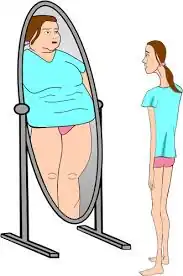
A 21-year-old university student has just moved out of home. They are juggling part-time work, assignments, and a new diagnosis of bipolar disorder. They keep their diagnosis to themselves, terrified that classmates will see them as unstable or that lecturers will lower their expectations. They internalise a fear that future employers will pass them over for more "suitable" candidates. During group projects, every slip in focus feels like proof they can't be trusted. When friends make jokes about being “crazy,” the words sting more than they let on. They replay these interactions on the bus ride home, until, eventually, they start to believe them. Bit by bit, they stop attending study sessions, avoid campus events, and retreat to their room (see Figure 1). Being unseen feels safer than being exposed.
|
Self-stigma occurs when people internalise negative societal stereotypes about a condition or identity they hold, turning those stereotypes into personal truths (Corrigan & Watson, 2002; Link & Phelan, 2001). This process fuels shame, anxiety, hopelessness, and social withdrawal, often becoming more damaging than the original condition itself (Livingston & Boyd, 2010; Yanos et al., 2008). Over time, self-stigma can limit education, employment, and relationships, creating a self-perpetuating cycle of isolation and reduced self-worth. Addressing self-stigma is essential because it not only harms emotional well-being but also undermines recovery and quality of life.
Psychological science can help by identifying the mechanisms that drive self-stigma, such as self-discrepancy theory (Higgins, 1987) and social identity theory (Tajfel & Turner, 1979), which explain how identity and self-concept interact with emotional distress. It also provides evidence-based interventions, including cognitive restructuring, self-compassion training, and peer support, which have been shown to reduce internalised stigma and strengthen resilience (Chan & Tsui, 2025; Spencer & Masuda, 2020). By applying these insights, interventions can break the cycle of self-stigma and improve both emotional well-being and life outcomes.
|
Focus questions
|
Key points
- Self-stigma is a multi-stage process beginning with awareness of stereotypes, followed by agreement with them, applying them to the self, and resulting in diminished self-esteem and self-efficacy (Corrigan et al., 2006).
- Emotional consequences are not minor: research links self-stigma to clinical levels of depression, anxiety, suicidality, and reduced treatment adherence, making it a direct barrier to recovery (Watson et al., 2007; Yanos et al., 2008).
- Theories such as Self-discrepancy theory explain the guilt and shame from “ideal vs actual self” gaps; Social identity theory shows how stigma erodes belonging; and Modified labeling theory demonstrates how diagnostic labels predict withdrawal and poor outcomes.
- Protective factors like resilience, cultural narratives, and peer/family support can buffer stigma, while interventions such as cognitive restructuring, mindfulness, peer programs, and self-compassion have been empirically shown to improve quality of life and emotional well-being.
Understanding the emotional impact of self-stigma
Defining Self-stigma
Self-stigma occurs when individuals internalise the stereotypes and prejudices held by society about their condition. Instead of only facing external discrimination, the individual begins to see themselves through a negative lens, feeling shame and unworthiness (Corrigan et al., 2006). Unlike public stigma, which is directed outward, self-stigma corrodes identity and self-esteem from within, creating a cycle of avoidance and silence that reinforces feelings of inadequacy (Watson et al., 2007; Yanos et al., 2008).
Psychological theories explaining self-stigma and emotional impact
Several psychological theories explain how and why self-stigma has such a strong impact on emotions. Self-discrepancy theory (Higgins, 1987) argues that distress arises when someone’s actual self does not align with their ideal or ought self, producing feelings of shame and guilt. Social identity theory (Tajfel & Turner, 1979) highlights how belonging to a stigmatised group can undermine self-concept and damage well-being. Modified labeling theory (Link, 1987) suggests that being labelled, for example as “mentally ill,” fosters expectations of rejection and discrimination, which in turn intensifies anxiety, hopelessness, and withdrawal. Together these theories illustrate that self-stigma is not a simple reflection of public opinion but a powerful psychological process that reshapes emotional experience.
Emotional consequences of self-stigma
The emotional costs of self-stigma are severe. Shame is often the most immediate response, lowering self-worth and creating a sense of personal defectiveness (Watson et al., 2007). Over time, many individuals experience hopelessness, believing that recovery or future success is unattainable (Yanos et al., 2008). This can lead to social withdrawal, as people retreat from others to avoid judgment, which ironically deepens isolation (Link, 1987). Self-stigma also reduces motivation to seek treatment or pursue personal goals, reinforcing a cycle that limits recovery and resilience (Corrigan et al., 2009).
Factors influencing self-stigma’s severity and outcomes
The severity of self-stigma is shaped by several interacting factors. Personal coping resources, such as resilience and self-compassion, can buffer against its worst effects (Chan & Tsui, 2025). Cultural context also matters: in some societies, stigma is experienced primarily as shame, while in others it is framed more as personal inadequacy (Watson et al., 2007). Support networks play a crucial role, as strong family or peer support can soften the emotional impact of stigma (Corrigan et al., 2006). Finally, the stage of recovery is important. People who have only recently been diagnosed may internalise stigma more strongly, while those further along in recovery can sometimes draw on skills and support that reduce its power (Yanos et al., 2008).
Strategies to reduce self-stigma and improve emotional well-being
While self-stigma can feel overwhelming, research highlights strategies that help reduce its emotional impact. Cognitive restructuring is one approach, encouraging individuals to challenge automatic negative beliefs and replace them with more realistic self-appraisals (Corrigan et al., 2016). Mindfulness and acceptance-based approaches can also be effective, helping people observe their thoughts about stigma without judgment or fusion, which reduces distress (Spencer & Masuda, 2020). Peer support and group interventions have consistently been shown to reduce stigma by creating belonging and solidarity (Watson et al., 2007). Training in self-compassion is another valuable tool, as replacing harsh self-criticism with understanding fosters resilience and counters shame (Chan & Tsui, 2025).
Learning features
| Theory | Main Idea | Emotional Effect |
|---|---|---|
| Self-discrepency theory | Mismatch between who you are and who you
think you should be causing distress |
Shame, guilt, low self-esteem |
| social identity theory | How we see ourselves is shaped by the groups
we belong to |
Feeling excluded, loss of belonging |
| mdofied labelling | Being labelled leads to fear of rejection and withdrawal | Hopelessness, isolation |
- Quiz
Conclusion
Self-stigma is not only a reflection of public attitudes but a deeply personal process that reshapes identity and emotions. Theories such as self-discrepancy, social identity, and modified labeling explain why internalised stigma can be so damaging, producing shame, hopelessness, withdrawal, and reduced motivation. Yet research also demonstrates that the cycle is not inevitable. Approaches such as cognitive restructuring, mindfulness, peer support, and self-compassion can reduce internalised stigma and support recovery. Addressing self-stigma matters not only for emotional well-being but also for encouraging resilience, motivation, and fuller participation in life.
See also
References
Corrigan, P. W., & Watson, A. C. (2002). The paradox of self‐stigma and mental illness. Clinical Psychology: Science and Practice, 9(1), 35–53. https://doi.org/10.1093/clipsy.9.1.35
Griffiths, K. M., Carron-Arthur, B., Parsons, A., & Reid, R. (2014). Effectiveness of programs for reducing the stigma associated with mental disorders: A meta-analysis. Australian & New Zealand Journal of Psychiatry, 48(4), 297–310. https://doi.org/10.1177/0004867413512686
Higgins, E. T. (1987). Self-discrepancy: A theory relating self and affect. Psychological Review, 94(3), 319–340. https://doi.org/10.1037/0033-295X.94.3.319
Link, B. G., & Phelan, J. C. (2001). Conceptualizing stigma. Annual Review of Sociology, 27(1), 363–385. https://doi.org/10.1146/annurev.soc.27.1.363
Livingston, J. D., & Boyd, J. E. (2010). Correlates and consequences of internalized stigma for people living with mental illness: A systematic review and meta-analysis. Psychiatric Services, 61(10), 1025–1032. https://doi.org/10.1176/ps.2010.61.10.1025
Spencer, S. M., & Masuda, A. (2020). The role of mindfulness in moderating the relationship between self-stigma and psychological distress. Current Psychology, 39(3), 831–839. https://doi.org/10.1007/s12144-020-01050-2
Yanos, P. T., Roe, D., Markus, K., & Lysaker, P. H. (2008). Pathways between internalized stigma and outcomes related to recovery in schizophrenia spectrum disorders. Psychiatric Services, 59(12), 1437–1442. https://doi.org/10.1176/ps.2008.59.12.1437
External Links
https://www.beyondblue.org.au/
https://www.beyondblue.org.au/about/strategy
https://www.blackdoginstitute.org.au/lets-stop-the-stigma/
https://www.medicarementalhealth.gov.au/living-well/support-lgbtiqa-people