Evaluating Information/Daily Practice: Evaluating Information
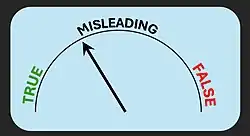
Here’s an “Evaluating Information” Daily Practice Checklist, developed from the Evaluating Information Wikiversity content.[1] It helps you distinguish accurate, factual, and objective content from misinformation, hone digital literacy, and strengthen your critical thinking.
1. Morning Intention: Embrace Truth and Skepticism
- Start your day by affirming that true, accurate information is valuable for sound decision-making, relationships, and societal trust.
- Recognize that refuting falsehood often takes far more effort than creating it—and that vigilance is essential.
- Set your goal: “I will pause and verify before accepting information as factual.”
2. Throughout the Day: Spot Truth and Detect Deception
A. Identify Credible Information
- Look for indicators of accuracy, verifiability, and objectivity:
- Is the information factually correct and backed by independent sources?
- Are there verifiable data, citations, or first-hand accounts?
B. Recognize Misinformation & Propaganda
- Watch for signs of misleading or deceptive content, including:
- Emotional manipulation, distorted facts, or persuasive framing with little transparency
- Build digital literacy by questioning unexpected claims—especially those shared via social media or viral content.
C. Cultivate Skepticism & Critical Thinking
- Before accepting information as true, ask:
- What is the source? Is it reliable?
- Have I verified it via independent sources?
- Apply critical thinking: assess claims through logic and acknowledge when barriers like bias or superficial reasoning appear.
3. Assignments for Practice
- Engage with the “Fact or Fiction?” exercises on the course—identifying accurate information, spotting propaganda tactics, and testing digital content reliability.
- Reflect on your motivations: Are you inclined toward convenience or comfort over truth? Strive to anchor yourself in intellectual virtues, like honesty, curiosity, and openness.
4. Evening Reflection: Build Awareness & Growth
Use these prompts at the end of your day:
- What information caught my attention today? Where did I naturally trust or doubt it?
- Did I evaluate claims before accepting them? How did I assess credibility and bias?
- What deceptive cues did I avoid—or fall for?
- How did choosing true, verified information benefit me today?
- What is one improvement I can make tomorrow in digital literacy or skepticism?
- ↑ ChatGPT generated this text responding to the prompt: “Generate an ‘Evaluating Information’ daily practice checklist based on the materials at: https://en.wikiversity.org/wiki/Evaluating_Information”.