A sudden revolution on the planet Dekkanar brings CaptainKirk and the USS Enterprise running to evacuate Federation personnel trapped there. But their orders from Starfleet are quite clear; the U.S.S. Enterprise is to assist in the evacuation, no more. No weapons are to be displayed, no shields raised, no shots fired.
Meanwhile, halfway across the galaxy, an experimental Klingon warship sets forth on a mission of its own, a warship with hidden – and heretofore undreamed of – capabilities, commanded by a warrior who will stop at nothing to bring glory to his Empire – and restore his own lost honor.
The Klingon ship's destination? The planet Dekkanar…
Excerpts of copyrighted sources are included for review purposes only, without any intention of infringement.
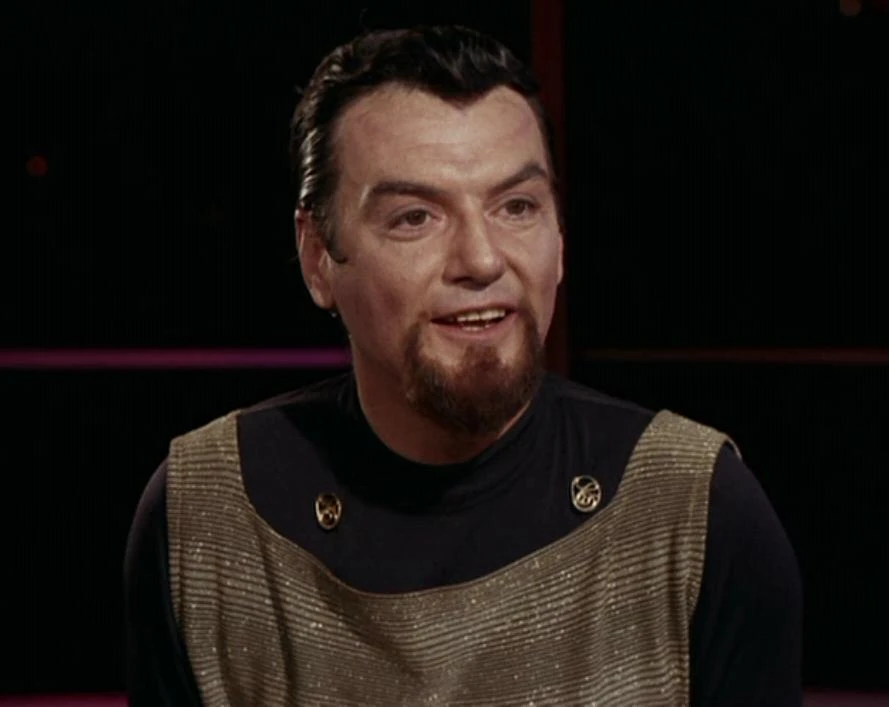
Written before the explanation of the Klingon augment virus, the novel deals extensively with why Klingons from Star Trek: The Original Series looked differently from those of later eras. Specifically, the main Klingon character in the novel (Kasak) explains that he was an "Imperial Klingon" while those of the Original Series were "Klingon-Human fusions". Present at Deep Space Station K-7 during the events of "The Trouble with Tribbles", Kasak was blamed for the entire affair since he was "of pure blood" and "should have known better" even though he was only a midshipman at the time. The "Imperial race" Klingons are also mentioned in The IDIC Epidemic.
James Kirk is depicted as a full admiral in the novel (contrary to the cover art), apparently having regained his flag rank after the events of Star Trek: The Motion Picture yet still commanding the USS Enterprise. Most other novels set during the 2270s state that Kirk remained a captain while commanding a second five year mission and only became an admiral again after accepting his Starfleet Academy position as seen in Star Trek II: The Wrath of Khan.